
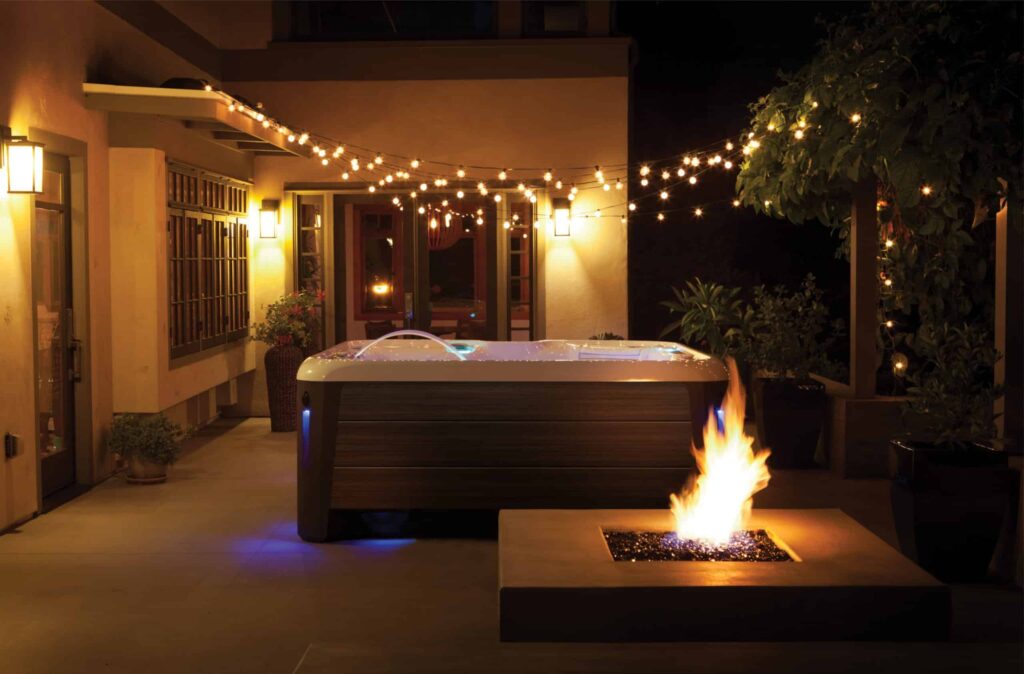
For many homeowners in Chico, CA, creating a relaxing backyard space is a popular home improvement goal. Outdoor living areas have become an extension of the home, offering a place to unwind, entertain guests, and enjoy the mild Northern California climate. One feature that many homeowners consider adding is a backyard hot tub.
A hot tub can transform your backyard into a peaceful retreat. Whether you want to relax after a long day, enjoy time with family, or entertain friends, a spa can add both comfort and value to your outdoor space. However, installing a hot tub involves more than simply choosing a model and filling it with water.
Hot tubs require significant electrical power to operate safely and efficiently. From heaters and pumps to control systems, every component relies on a properly installed electrical system. Without the right planning, homeowners could face issues such as circuit overloads, equipment damage, or safety risks.
Before installing a backyard spa, it’s important to understand the electrical requirements, safety features, and installation considerations involved. Proper preparation can help ensure that your hot tub operates safely while providing years of relaxation and enjoyment.
Why Electrical Planning Matters for Hot Tubs
Hot tubs are powerful appliances that require reliable electrical connections to operate correctly. Unlike smaller household devices, spas often draw a large amount of power to run their heating systems and water jets.
Proper electrical planning helps ensure that:
- The hot tub receives the correct voltage
- The electrical system can support the additional load
- Safety devices are properly installed
- Wiring meets electrical code requirements
Without proper electrical installation, homeowners may experience issues such as breaker trips, overheating wires, or inconsistent heating performance.
For homeowners interested in professional electrical services related to outdoor projects and spa installations, it may be helpful to reach out to a local electrical services company in your area for guidance and safe installation.
Understanding Hot Tub Electrical Requirements
Hot tubs typically operate using either 120-volt or 240-volt electrical systems, depending on the size and design of the unit.
120-Volt Hot Tubs
Some smaller spas operate using a standard 120-volt outlet. These are commonly referred to as plug-and-play hot tubs.
Advantages include:
- Easier installation
- Lower upfront electrical costs
- No major electrical upgrades required
However, these systems often take longer to heat water and may not support powerful jet systems.
240-Volt Hot Tub
Most permanent backyard hot tubs use 240-volt electrical connections.
Benefits of 240-volt systems include:
- Faster water heating
- More powerful massage jets
- Better overall efficiency
Because 240-volt installations require specialized wiring and safety equipment, they should always be installed by a licensed electrician.

Essential Safety Features for Hot Tub Electrical Systems
Safety is one of the most important aspects of hot tub installation. Since spas combine water and electricity, protective systems are essential.
One of the most important safety devices is a Ground Fault Circuit Interrupter (GFCI).
A GFCI monitors the flow of electricity through a circuit. If it detects an imbalance in the electrical current—such as electricity flowing through water or a person—it quickly shuts off the power. This helps reduce the risk of electrical shock.
Most building codes require hot tubs to be connected to a GFCI-protected circuit.
For additional information about electrical safety around water, the Electrical Safety Foundation International provides helpful guidance on outdoor electrical safety.
Choosing the Best Location for Your Backyard Hot Tub
Selecting the right location for your hot tub can make a big difference in both safety and convenience.
While homeowners often focus on aesthetics, practical considerations are equally important.
Accessibility
Placing the hot tub near the home can make it easier to access during cooler evenings and reduce the distance electrical wiring must travel.
Electrical Access
The location should allow electricians to safely route electrical wiring from the main panel to the hot tub.
Stable Foundation
Hot tubs are heavy when filled with water, so they must be placed on a strong, level surface such as:
- Concrete pads
- Reinforced decks
- Spa pads
A stable base ensures the spa operates correctly and prevents structural problems over time.

Electrical Panel Capacity and Upgrades
Before installing a hot tub, it’s important to determine whether your home’s electrical panel can support the additional power demand.
Many hot tubs require 40 to 60 amps of electricity. If your panel is already near its capacity, adding a spa may require upgrades.
Possible electrical upgrades include:
- Installing a new circuit breaker
- Adding a subpanel
- Upgrading the main electrical panel
An electrician can evaluate your existing electrical system and recommend the safest option.
Outdoor Electrical Considerations
Outdoor electrical systems must be designed to handle exposure to weather conditions. Rain, temperature changes, and moisture can affect electrical equipment if it is not properly installed.
To ensure safe operation, hot tub electrical systems often include:
- Weather-resistant electrical boxes
- Underground conduit for wiring
- Proper grounding systems
- Outdoor-rated electrical components
Using equipment designed for outdoor environments helps protect both the electrical system and the hot tub itself.

When to Hire a Licensed Electrician
While some home improvement projects can be completed by experienced DIY homeowners, hot tub electrical installation requires specialized knowledge and equipment.
A licensed electrician should be consulted when:
- Installing wiring for a new hot tub
- Adding a dedicated circuit for spa equipment
- Installing GFCI protection and disconnect switches
- Upgrading electrical panels to support spa power requirements
Professional installation helps ensure that the hot tub operates safely and meets local electrical codes.
If you are planning to install a backyard hot tub and need professional assistance, you can use the contact button below to get in touch with a qualified electrician.
FAQs About Hot Tub Electrical Installation
Do hot tubs need their own electrical circuit?
Yes. Most hot tubs require a dedicated circuit to prevent electrical overloads and ensure stable performance.
Can I plug a hot tub into a regular outlet?
Some smaller 120-volt hot tubs can use standard outlets, but most backyard spas require a 240-volt connection installed by a professional electrician.
How much electricity does a hot tub use?
Energy usage depends on the size of the spa, heater settings, and how often it is used. Many modern hot tubs are designed to be energy efficient.
Are permits required for hot tub installation in Chico, CA?
In many cases, electrical permits are required to ensure the installation meets local safety codes.
How far should a hot tub be from the house?
Planning a Safe and Relaxing Backyard Hot Tub
Adding a hot tub can be a great way to enhance your backyard and create a comfortable space for relaxation and entertainment. With the right planning and proper electrical installation, homeowners can enjoy the benefits of a spa while keeping their home safe.
By understanding electrical requirements, choosing a suitable location, and working with qualified professionals, homeowners in Chico can create a backyard retreat that provides enjoyment for years to come.