
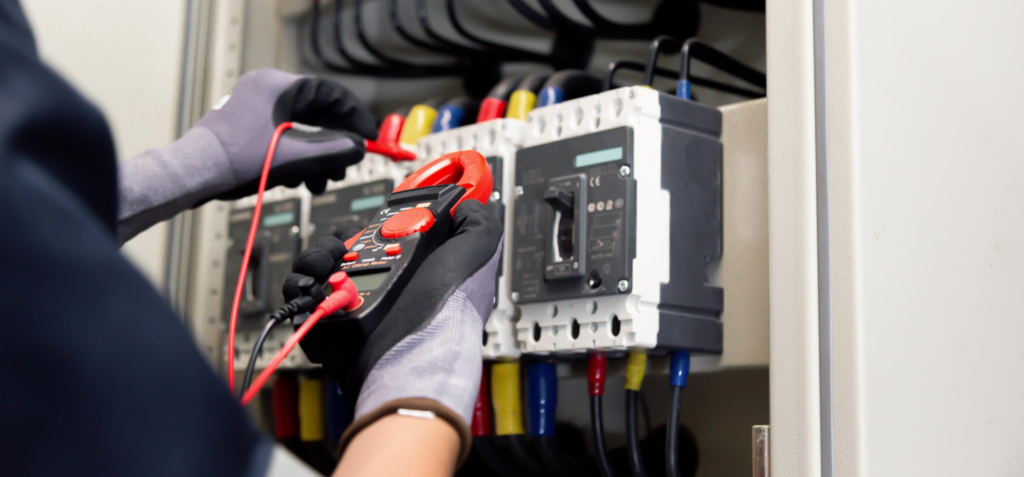
Electrical systems play a vital role in modern homes, powering everything from lighting and appliances to heating and entertainment devices. However, when electrical components are not properly maintained or used incorrectly, they can become a serious fire hazard. According to the Electrical Safety Foundation International, electrical malfunctions contribute to thousands of residential fires each year, highlighting the importance of proper electrical safety practices.
Understanding common electrical risks and following basic safety guidelines can significantly reduce the chances of fire hazards in your home. With a few preventative measures and routine inspections, homeowners can keep their electrical systems operating safely and efficiently.
Why Electrical Safety Matters
Electrical fires often start behind walls or inside outlets, making them difficult to detect until the problem becomes severe. Issues such as outdated wiring, overloaded circuits, and faulty electrical equipment can generate excessive heat, eventually igniting nearby materials.
By practicing good electrical safety habits and addressing issues early, homeowners can reduce risks and protect their property. Regular maintenance and professional inspections are also essential to ensure that your electrical system remains safe and compliant with modern standards.
Watch for Warning Signs of Electrical Problems
Many electrical hazards present warning signs before they escalate into major problems. Being aware of these indicators allows homeowners to take action before a dangerous situation develops.
Some of the most common warning signs include:
- Flickering or dimming lights
- Circuit breakers that frequently trip
- Burning smells coming from outlets or electrical panels
- Warm, discolored, or sparking outlets
- Buzzing sounds near switches, outlets, or breaker panels
If you notice any of these issues, it may indicate a deeper electrical problem that should be inspected by a qualified electrician.
Avoid Overloading Electrical Outlets

Overloaded outlets and power strips are among the most common causes of electrical fires. Plugging multiple high-powered appliances into a single outlet can cause excessive heat buildup and increase the risk of fire.
To reduce this risk:
- Avoid plugging several large appliances into one outlet
- Use surge-protected power strips when necessary
- Do not run cords under rugs or furniture
- Unplug devices when they are not in use
Large appliances such as microwaves, refrigerators, and space heaters should ideally have dedicated circuits to handle their electrical load safely.
Keep Electrical Cords in Good Condition

Damaged cords are another common source of electrical hazards in homes. Frayed or cracked insulation can expose wires, increasing the risk of sparks, electrical shocks, and fires.
To keep cords safe:
- Replace cords that show signs of damage or wear
- Avoid using extension cords as permanent wiring
- Keep cords away from heat sources and water
- Do not staple or pinch cords against walls or furniture
If your home relies heavily on extension cords due to a lack of outlets, it may be time to consider installing additional outlets or upgrading your electrical system.
Upgrade Outdated Electrical Systems
Older homes may have electrical systems that were not designed to handle the number of devices and appliances used today. Outdated wiring, insufficient outlets, and older electrical panels can increase the likelihood of overheating and electrical fires.
Upgrading your electrical system can improve both safety and functionality. Common upgrades include:
- Replacing outdated electrical panels
- Updating old or deteriorating wiring
- Installing additional outlets
- Adding whole-home surge protection
If you are unsure whether your home’s electrical system is up to date, exploring professional electrical services can help ensure your system is functioning safely and efficiently.
Schedule Regular Electrical Inspections
Routine inspections are one of the most effective ways to prevent electrical hazards. A licensed electrician can identify potential issues, ensure your system meets safety standards, and recommend improvements if necessary.
During a professional inspection, electricians typically examine:
- Circuit breakers and electrical panels
- Wiring condition and safety
- Outlet grounding and functionality
- Electrical load distribution throughout the home
If you suspect any electrical issues or want to ensure your home is safe, it’s best to contact a qualified electrician who can assess your system and provide professional guidance.
Final Thoughts
Electrical safety is an important part of protecting your home and family from potential fire hazards. By recognizing warning signs, avoiding overloaded circuits, maintaining cords, and keeping your electrical system updated, homeowners can significantly reduce their risk of electrical fires.
When in doubt, always consult a professional electrician. Regular inspections and timely upgrades provide peace of mind and help ensure that your home’s electrical system remains safe for years to come.