

Keeping your home safe for children goes beyond baby gates and cabinet locks. One of the most overlooked risks lies in your electrical system, something kids are naturally curious about but don’t understand the danger of.
From exposed outlets to dangling cords, even small electrical hazards can lead to serious injury. The good news? With a few smart upgrades and precautions, you can significantly reduce the risks and create a safer environment for your family.
In this guide, we’ll walk you through practical, effective ways to childproof your home’s electrical system without overcomplicating things.
Why Electrical Safety Matters for Homes with Children
Children explore with their hands. They poke, pull, and test everything within reach, which makes electrical components especially dangerous.
According to the Electrical Safety Foundation International, thousands of children are injured each year due to electrical hazards at home. Many of these incidents are preventable.
Electric shocks, burns, and even house fires can result from:
- Uncovered outlets
- Damaged cords
- Overloaded circuits
- Improperly installed electrical systems
Childproofing isn’t just about convenience; it’s about preventing accidents before they happen.
Start with Your Electrical Outlets
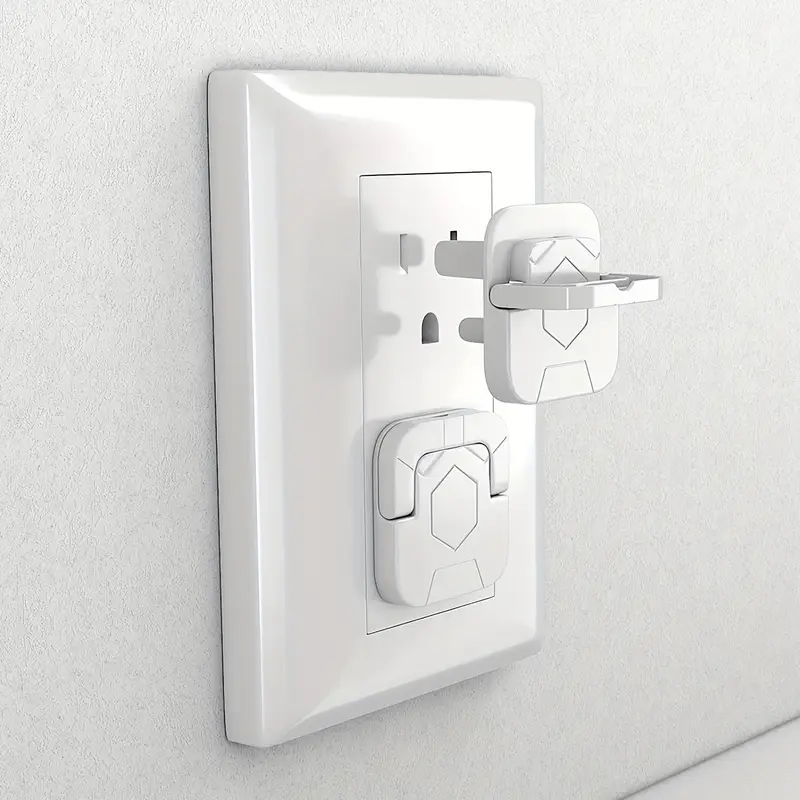
Install Tamper-Resistant Outlets
Tamper-resistant outlets (TRRs) are one of the most effective safety upgrades you can make. They’re designed with built-in shutters that prevent foreign objects from being inserted, making them a reliable option for childproof electrical outlets throughout your home.
Unlike plastic outlet caps (which can be removed), TRRs provide permanent protection. If you’re considering upgrading your home, working with professional outlet installation services can ensure everything is installed safely and up to code.
Use Outlet Covers as an Extra Layer
If you’re not ready to replace outlets yet, plastic covers can still help. Just make sure:
- They fit snugly
- They’re difficult for children to remove
- You use them consistently on all unused outlets
Manage Electrical Cords and Wires

Loose cords are tempting for little hands, and they come with multiple risks, including pulling appliances down or chewing hazards.
Keep Cords Out of Reach
- Route cords behind furniture
- Use cord shorteners
- Avoid leaving chargers plugged in unnecessarily
Inspect for Damage Regularly
Frayed or damaged cords can expose live wires. Replace them immediately if you notice:
- Cracks
- Burn marks
- Loose connections
Quick Tip
If a cord feels warm to the touch, it may be overloaded or faulty. Unplug it right away.
Secure Power Strips and Extension Cords
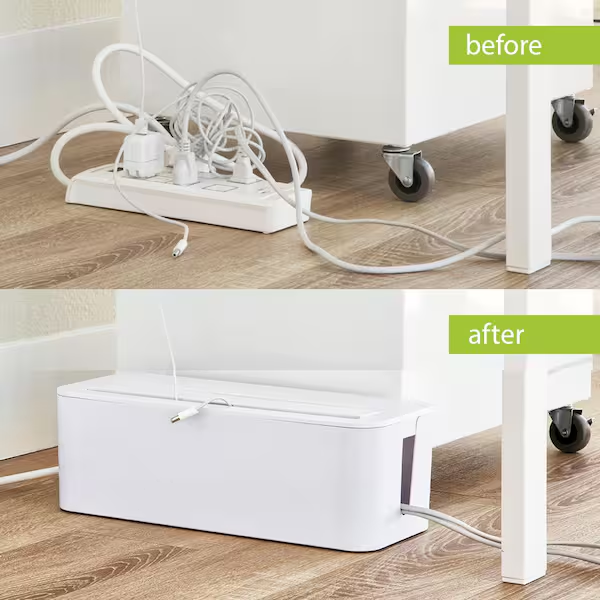
Power strips are often within reach and easy to tamper with.
Use Power Strip Covers
These protective boxes enclose plugs and switches, preventing kids from unplugging or inserting objects.
Avoid Overloading Circuits
Overloaded outlets can overheat and become a fire hazard. If you’re relying heavily on extension cords, it may be time to reassess your setup with the help of trusted local electricians.
Upgrade Your Home’s Electrical System
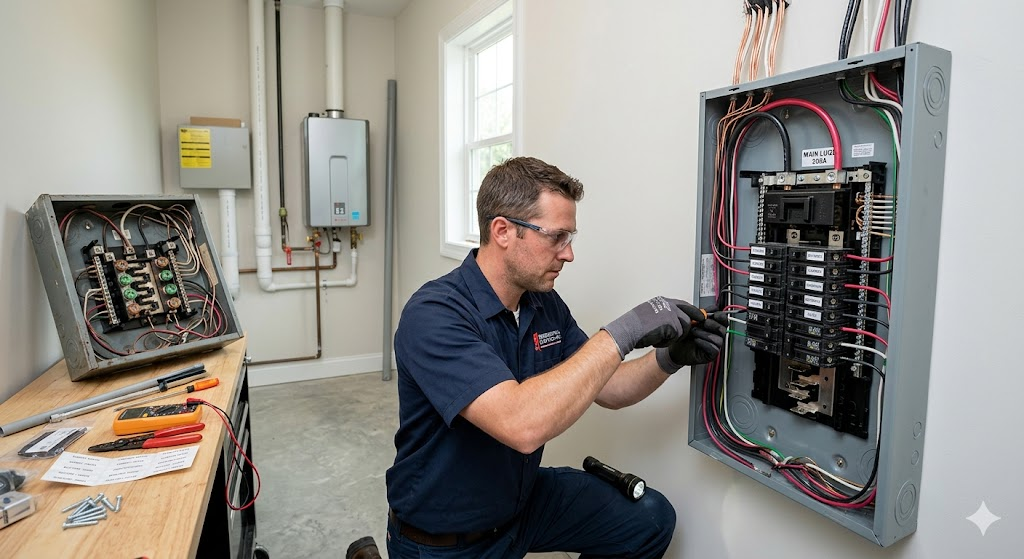
Sometimes, childproofing isn’t just about add-ons; it requires system-level improvements.
Install GFCI Outlets
Ground Fault Circuit Interrupter (GFCI) outlets shut off power instantly when they detect an imbalance, making them essential for:
- Bathrooms
- Kitchens
- Outdoor areas
Consider Arc Fault Circuit Interrupters (AFCIs)
Arc Fault Circuit Interrupters (AFCIs) detect dangerous electrical arcs that can lead to fires, adding another layer of protection to your home. Installing AFCIs is a smart home electrical safety upgrade, especially for households with children, where preventing hidden electrical risks is a top priority.
Be Mindful of Appliances and Devices
Children often interact with appliances without understanding how they work.
Unplug When Not in Use
Small appliances like toasters, hair dryers, and kettles should be unplugged and stored safely.
Keep Devices Away from Water
Water increases the risk of electrical shock. Always keep devices away from sinks, bathtubs, and outdoor wet areas.
Teach Kids Basic Electrical Safety

While physical safeguards are essential, education plays a key role.
Set Simple Rules
Teach children:
- Not to touch outlets
- Not to pull cords
- To stay away from electrical panels
Lead by Example
Children learn by watching. Practicing safe habits yourself reinforces these lessons.
When to Call a Professional Electrician
Not all electrical safety issues can be handled on your own.
You should consider professional help if:
- Your home has outdated wiring
- Breakers trip frequently
- You’re planning renovations
- You want a full safety assessment
Final Thoughts
Childproofing your home’s electrical system doesn’t have to be overwhelming. By addressing the most common risks, outlets, cords, circuits, and outdated systems, you can create a much safer space for your children.
Small changes today can prevent serious accidents tomorrow.
FAQs
What is the safest type of outlet for homes with children?
Tamper-resistant outlets are considered the safest because they prevent objects from being inserted into the slots.
Are outlet covers enough to protect children?
They help, but they’re not foolproof. Permanent solutions like tamper-resistant outlets offer better protection.
How often should I check my home’s electrical system?
It’s recommended to have a professional inspection every 3–5 years, or sooner if you notice issues.
Can I childproof my home without replacing outlets?
Yes, using outlet covers, cord management, and safety boxes can reduce risks, but upgrades are more reliable long-term.