
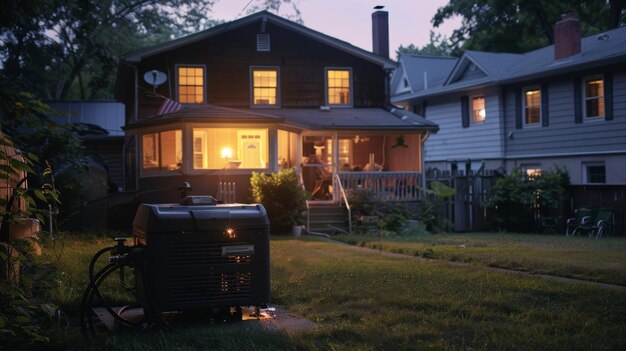
There’s nothing more frustrating than relying on your generator during a power outage only for it to shut off the moment your home actually needs it. One minute, everything is working, and the next, you’re left in the dark again.
If this sounds familiar, you’re not alone. In many cases, the issue isn’t the generator itself; it’s that your system isn’t properly sized for your home’s electrical demand.
The good news is that this is a fixable problem. Once you understand how load works and how generators are sized, you can avoid shutdowns and create a more reliable backup system.
When Your Backup Power Fails at the Worst Time
It often happens during peak usage when your air conditioner turns on, or multiple appliances run at once. Your generator starts, runs briefly, then suddenly shuts off.
This is usually a sign that your generator is being pushed beyond its limits.
What “Under Load” Actually Means
When your generator is “under load,” it’s supplying electricity to your home. Every appliance adds to that demand.
The challenge comes from startup surges. Some appliances require significantly more power to start than to run.
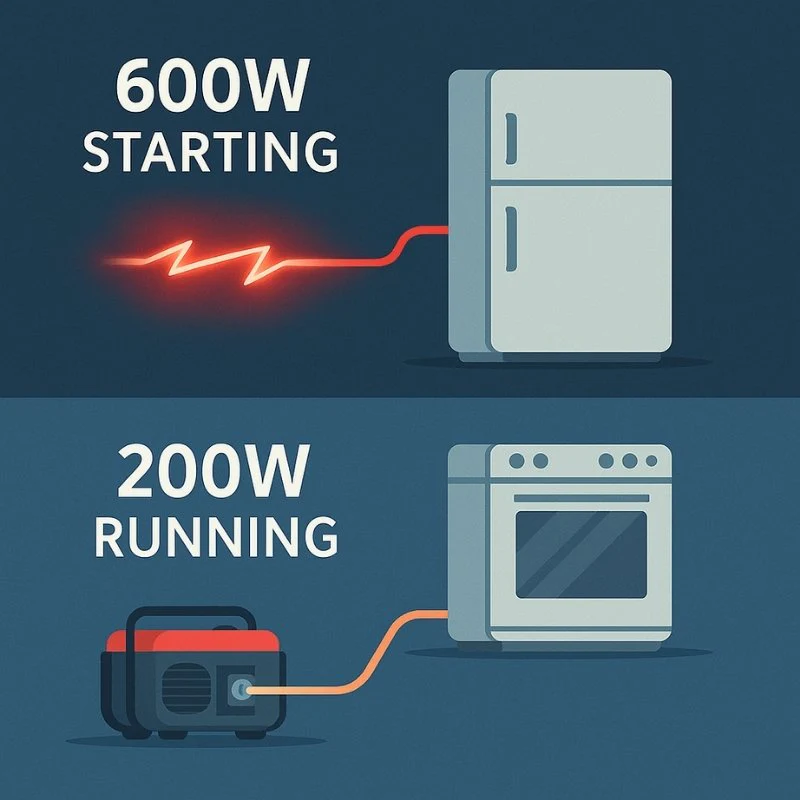
If your generator can’t handle that surge, it shuts down to protect itself.
Why Generators Shut Off Under Load
1. The Generator Is Too Small
An undersized generator will struggle as soon as demand increases.
2. Startup Wattage Is Overlooked
Ignoring surge power is one of the most common mistakes.
3. Too Many Appliances Running at Once
Simultaneous usage can overwhelm even decent systems.
4. Electrical Setup Issues
A transfer switch or circuit imbalance can overload your generator.
5. Maintenance or Fuel Problems
Sometimes it’s not sizing, but it appears that way.
How to Properly Size a Generator for Your Home
Step 1: Identify Essential Appliances
Focus on what you actually need during outages: refrigeration, lighting, HVAC, and internet.
Step 2: Calculate Running Wattage
Determine your baseline power usage.
Step 3: Include Startup Wattage
Account for surge requirements, especially for large appliances.
Step 4: Add a Safety Buffer
Add 20–25% extra capacity to prevent overload.
Step 5: Choose Your Coverage Type
Decide between essential-only backup or full-home coverage.
When Online Calculators Aren’t Enough
Online tools are helpful, but they often miss key factors like panel capacity, load balancing, and real-world appliance behavior.
For a more detailed overview of how backup generators work and what to consider when planning your system, you can refer to this trusted guide.
This resource explains how generators support essential home systems during outages and why proper sizing and setup are critical for reliable performance.
Signs Your Generator Isn’t Sized Correctly

- The generator shuts off when large appliances start
- Lights dim before shutdown
- Breakers trip frequently
- You avoid running multiple appliances
Why Proper Sizing Matters
An undersized generator can:
- Damage appliances
- Shorten system lifespan
- Create safety risks
A properly sized system delivers stable, reliable power when you need it most.
Work With a Professional for Accurate Sizing
Generator sizing isn’t just about the unit; it involves your entire electrical system.
To learn more about professional generator solutions, you can explore services available for proper sizing, installation, and system evaluation.
If your generator keeps shutting off or you’re unsure about your system’s capacity, it’s best to have it professionally assessed.
Practical Clarifications (Helpful Answers Homeowners Look For)
Can I upgrade to a larger generator at any time?
Your panel and wiring need not always support it.
Why does it only fail sometimes?
Because your electrical demand changes throughout the day.
Is whole-home backup necessary?
It depends on your needs and budget.
How often should maintenance be done?
At least once a year.
Can I manually manage appliance usage instead?
You can, but it’s not a long-term solution.
A More Reliable Way Forward
Power outages are unpredictable, but your backup system shouldn’t be. If your generator keeps shutting off under load, it’s a clear sign your setup needs attention.
Taking the time to properly size your generator ensures your home stays powered, safe, and comfortable when it matters most.
In the end, it’s not just about having a generator, it’s about having one you can rely on.