
Electrical systems are integral to modern life, powering homes, businesses, and infrastructure. When these systems malfunction, they can disrupt daily routines, pose safety risks, and incur significant costs. Understanding common electrical problems and their solutions is crucial for homeowners and renters alike. This article outlines ten prevalent electrical issues, explains their causes, and provides practical solutions.
Frequent power outages, whether localized to a single circuit or affecting the entire property, are a significant inconvenience and can indicate underlying electrical problems.
Causes of Frequent Power Outages
Several factors can lead to recurring power outages:
- Overloaded Circuits: This is a common culprit. If a circuit is drawing more current than it is designed to handle, the circuit breaker will trip to prevent overheating and potential fire. Imagine a highway with too many cars; traffic jams are inevitable. In an electrical system, an overloaded circuit is a similar scenario.
- Faulty Appliances: A malfunctioning appliance can draw excessive current, causing the circuit it’s plugged into to trip.
- Loose Electrical Connections: Over time, connections in outlets, switches, or junction boxes can loosen, leading to intermittent power supply or a complete outage.
- Aging Wiring: Older homes often have aluminum or knob-and-tube wiring that may not be able to handle the demands of modern electrical loads. This can lead to overheating and frequent trips.
- Utility Supply Issues: Problems with the external electrical grid, such as downed power lines or substation malfunctions, can cause widespread outages.
- Short Circuits: When a hot wire
comes into contact with a neutral wire or a ground wire, it creates a
short circuit. This sudden surge in current immediately trips the
breaker to prevent damage.
Solutions for Frequent Power Outages
Addressing frequent power outages requires a systematic approach:
- Distribute Electrical Load: Avoid plugging multiple high-wattage appliances into a single outlet or circuit. Use power strips with surge protection for multiple devices, but be mindful of the strip’s capacity.
- Identify Faulty Appliances: If a specific circuit trips only when a particular appliance is in use, the appliance itself may be the issue. Unplug it and test with another appliance to confirm.
- Inspect and Tighten Connections: For loose connections, consult a qualified electrician. Attempting to tighten connections without proper knowledge can be hazardous.
- Upgrade Electrical Panel and Wiring: For older homes with outdated systems, a panel upgrade and rewiring may be necessary to accommodate current demands and improve safety. This is a significant investment but can prevent ongoing issues.
- Report Utility Issues: If the outage affects your entire neighborhood, contact your utility provider to report the issue.
- Locate and Repair Short Circuits: This typically requires an electrician to trace the wiring and identify the point of contact.
For those interested in understanding more about electrical issues, particularly in specific applications like hot tubs and spas, you may find the article on hot tub electrical services insightful. It provides valuable information on common electrical problems associated with hot tubs and their solutions, which can complement the knowledge gained from the article on the 10 common electrical problems and solutions. You can read more about it here: Hot Tub Electrical Services.
Flickering or Dimming Lights
Flickering or dimming lights are not merely annoying; they can be indicators of underlying electrical problems that require attention.
Causes of Flickering or Dimming Lights
The reasons behind unsteady illumination vary:
- Loose Bulb or Fixture: The simplest explanation is often the correct one. A loose light bulb or a poorly connected light fixture can cause intermittent contact.
- Voltage Fluctuations: If the voltage supplied to your home is inconsistent, lights can dim or flicker. This can be a problem with the utility supply or within your home’s wiring.
- Overloaded Circuit: Similar to power outages, an overloaded circuit can manifest as dimming lights as the system struggles to provide adequate power.
- Faulty Wiring: Damaged or deteriorating wiring can create resistance, leading to a drop in voltage and flickering. Think of it like a kink in a garden hose; the water flow is restricted.
- Problematic Appliances: Certain large appliances, like air conditioners or refrigerators, can momentarily draw a high surge of power when they start up, causing lights on the same circuit to dim.
- Loose Connection at the Main Service: A loose connection where the utility power enters your home can affect all lights and appliances.
Solutions for Flickering or Dimming Lights
Addressing flickering or dimming lights often involves troubleshooting and, at times, professional intervention:
- Check Light Bulbs and Fixtures: Ensure all bulbs are screwed in tightly and that fixture connections are secure.
- Monitor Appliance Usage: If particular appliances cause dimming, consider having a dedicated circuit installed for them, especially for high-power devices.
- Electrical Inspection: A qualified electrician can perform a voltage test to determine if voltage fluctuations are present. They can also inspect wiring and connections for any faults.
- Upgrade Wiring or Electrical Panel: If outdated or inadequate wiring is the cause, an upgrade may be necessary.
Non-Functional Outlets
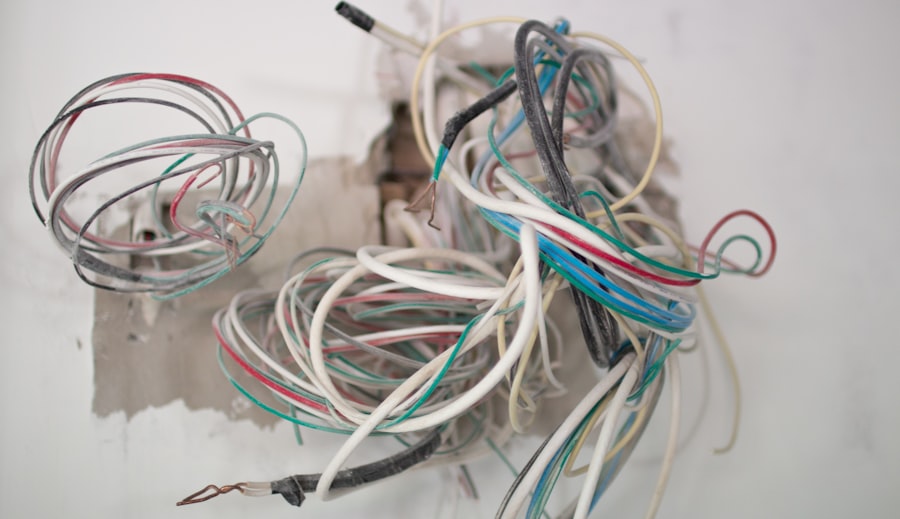
Dead outlets are frustrating and can be a sign of a localized problem or a broader electrical issue.
Causes of Non-Functional Outlets
Several factors can render outlets unusable:
- Tripped Circuit Breaker: The most common cause. An overloaded circuit or a short circuit can trip the breaker, cutting power to all outlets on that circuit.
- Faulty Outlet: Over time, outlets can wear out or become damaged internally, losing their ability to conduct electricity.
- Loose Wiring: Connections to the outlet terminals can become loose, preventing power from reaching the receptacles.
- GFCI Tripped: Ground Fault Circuit Interrupter (GFCI) outlets are designed to protect against electric shock in areas prone to moisture (like bathrooms and kitchens). If a GFCI outlet trips, it will cut power to itself and any downstream outlets it protects.
- Open Circuit: A break in the wiring leading to the outlet, such as a loose splice in a junction box, can create an open circuit, preventing power delivery.
Solutions for Non-Functional Outlets
Solving the problem of dead outlets often involves a process of elimination:
- Check the Circuit Breaker: Go to your electrical panel and look for any tripped breakers (usually in the middle position). Flip it firmly to the “off” position, then back to “on.”
- Reset GFCI Outlets: If the dead outlet is a GFCI, or if it’s in a location where GFCI outlets are common (bathroom, kitchen, garage), press the “reset” button. If it immediately trips again, there’s likely a persistent fault.
- Test Other Outlets on the Same Circuit: If other outlets on the same circuit are working, the issue is likely isolated to the non-functional outlet itself.
- Inspect the Outlet (with caution): Only if you are comfortable and have turned off power at the breaker, you can carefully remove the outlet cover and visually inspect the wiring for any loose connections or burn marks. However, it’s generally safer to call an electrician.
- Replace Faulty Outlets: If an outlet is damaged or worn, replacement by an electrician is necessary.
- Diagnose Open Circuits: An electrician can use a multimeter to trace the power and identify where the circuit is broken.
You can find the exact location of Red Dirt Electric by visiting the Red Dirt Electric Map Location.
Warm or Discolored Outlets/Switches
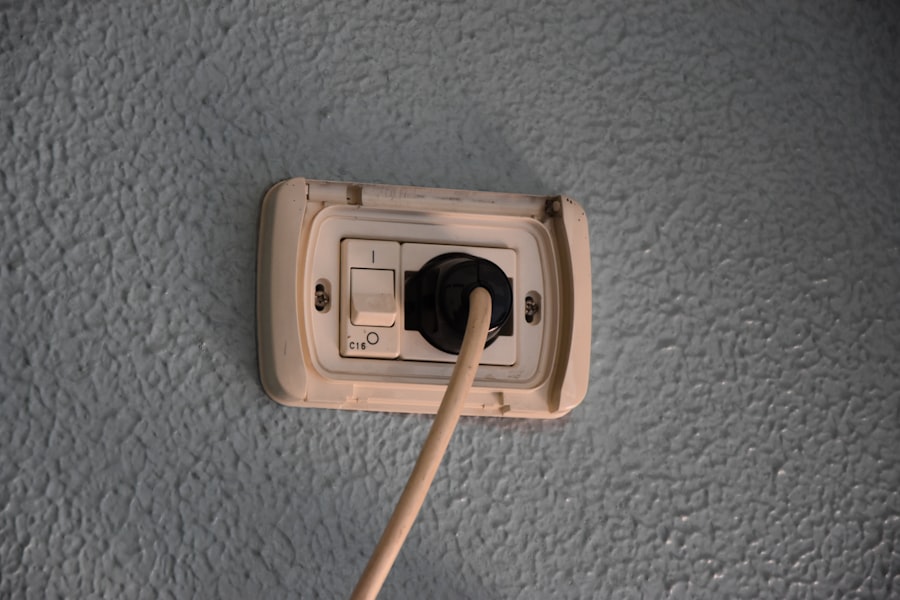
Outlets or switches that feel warm to the touch, appear discolored, or emit a burning odor are serious warning signs that should never be ignored. As an incipient fire, they are a critical indication of an issue at hand.
Causes of Warm or Discolored Outlets/Switches
Heat and discoloration indicate excessive resistance or current flow:
- Loose Connections: The most common cause. A loose connection creates resistance, which generates heat as electricity struggles to pass through. This heat can melt insulation and cause discoloration.
- Overloaded Circuit: If an outlet or switch is consistently drawing more current than it’s rated for, it can overheat.
- Faulty Wiring: Damaged or undersized wiring can lead to increased resistance and heat.
- Defective Outlet or Switch: An internal fault within the electrical device itself can cause it to overheat.
- Improper Installation: Incorrect wiring or poor connections during installation can lead to hot spots.
Solutions for Warm or Discolored Outlets/Switches
Prompt action is essential to prevent fire hazards:
- Immediately Turn Off Power: Go to your electrical panel and turn off the circuit breaker that supplies power to the affected outlet or switch. If you are unsure which breaker it is, turn off the main breaker to your entire home.
- Do Not Use the Outlet/Switch: Do not plug anything into a warm outlet or use a warm switch.
- Call a Qualified Electrician: This is not a DIY repair. A professional electrician needs to inspect the wiring, connections, and the device itself to identify the root cause and make the necessary repairs or replacements.
- Replace Damaged Components: The electrician will likely replace the faulty outlet or switch and ensure all connections are secure and properly installed. They may also need to repair or replace any damaged wiring.
In addition to exploring the 10 common electrical problems and solutions, you might find it helpful to read about the specific challenges and solutions related to electrical systems in outbuildings. This article provides valuable insights into how to address issues that often arise in structures like sheds and workshops, ensuring safety and efficiency. For more information, you can check out this detailed guide on electrical systems in outbuildings.
Frequent Circuit Breaker Trips
| Common Electrical Problem | Cause | Solution |
|---|---|---|
| Frequent Circuit Breaker Trips | Overloaded circuits or short circuits | Reduce load, identify and fix short circuits, upgrade breaker if necessary |
| Flickering Lights | Loose bulbs, faulty wiring, or voltage fluctuations | Tighten bulbs, check wiring connections, consult electrician for voltage issues |
| Dead Outlets | Tripped GFCI, blown fuse, or wiring issues | Reset GFCI, replace fuse, inspect and repair wiring |
| Warm or Discolored Outlets | Loose wiring or overloaded outlet | Turn off power, tighten wiring, reduce load, replace outlet if damaged |
| Buzzing or Crackling Sounds | Loose connections or faulty switches | Inspect and tighten connections, replace faulty switches |
| Burning Smell from Outlets or Switches | Overheating wiring or electrical faults | Turn off power immediately, call electrician for inspection and repair |
| Lights Not Working | Burnt out bulbs, faulty switches, or wiring problems | Replace bulbs, check switches, inspect wiring |
| Electrical Shocks When Touching Appliances | Grounding issues or faulty appliances | Unplug appliance, check grounding, repair or replace appliance |
| High Electric Bills | Energy inefficiency or faulty appliances | Use energy-efficient devices, inspect appliances for faults |
| Power Surges | Lightning strikes, faulty wiring, or utility issues | Install surge protectors, inspect wiring, consult utility provider |
While an occasional tripped circuit breaker is normal, frequent trips on the same circuit indicate a persistent problem that needs investigation. A circuit breaker is a safety device; its action is a warning.
Causes of Frequent Circuit Breaker Trips
Several underlying issues can cause breakers to trip repeatedly:
- Circuit Overload: This is the most common reason. Too many appliances or devices drawing power from a single circuit exceed its amperage rating. Imagine a small pipe trying to handle the water flow of five hoses; something has to give.
- Short Circuit: As mentioned before, a hot wire touching a neutral or ground wire creates an immediate surge of current, tripping the breaker to prevent overheating and fire.
- Ground Fault: Similar to a short circuit, a ground fault occurs when a hot wire touches a grounded part of the electrical system or a plumbing pipe, causing current to divert to the ground. GFCI breakers are designed to detect these faults.
- Faulty Appliance: A defective appliance can draw excessive current, acting like a short circuit and tripping the breaker.
- Worn-out Breaker: Over time, circuit breakers can weaken and become more sensitive, tripping even with normal loads.
- Loose Wiring Connections: Loose connections in the breaker panel or within the circuit can create intermittent short circuits or resistance, leading to trips.
Solutions for Frequent Circuit Breaker Trips
Addressing frequent trips requires systematic troubleshooting:
- Identify the Overloaded Circuit: Note which appliances are typically in use when the breaker trips. Try to redistribute these appliances to different circuits if possible. Unplug high-wattage devices one by one to isolate the culprit.
- Unplug and Test Appliances: If a specific appliance seems to be the cause, unplug it and try to reset the breaker. If the breaker holds, the appliance is likely faulty and needs repair or replacement.
- Inspect for Short Circuits/Ground Faults: This requires an electrician. They will use specialized tools to test the wiring and identify the exact location of the fault.
- Replace Faulty Breaker: If an electrician determines the breaker itself is faulty, it will need to be replaced.
- Upgrade Electrical Panel/Circuit: For older homes with insufficient circuits, an electrical panel upgrade or the addition of new dedicated circuits may be necessary to handle modern electrical demands.
High Electricity Bills
An unexpectedly high electricity bill can be a cryptic message from your utility company, signaling inefficient electrical usage or a hidden problem within your system.
Causes of High Electricity Bills
The reasons for increased energy consumption are varied:
- Inefficient Appliances: Older appliances, especially refrigerators, freezers, washing machines, and HVAC systems, consume significantly more power than newer, energy-efficient models. They are like old cars with poor gas mileage.
- Phantom Loads (Vampire Power): Many electronic devices continue to draw a small amount of power even when turned off but still plugged in. This “vampire power” adds up over time.
- Poor Insulation: Inadequate insulation in walls, attics, and around windows and doors forces your heating and cooling systems to work harder, consuming more electricity.
- Drafty Windows and Doors: Similar to poor insulation, drafts allow conditioned air to escape, increasing HVAC energy consumption.
- Excessive Usage: Simply using more electricity than usual – longer showers, more time with lights on, continuous operation of entertainment systems – will naturally increase your bill.
- Faulty Wiring or Electrical Leaks: Though less common, damaged wiring or “electrical leaks” (where current escapes the intended path) can lead to higher consumption. This typically manifests as warm spots in walls or around outlets.
- Malfunctioning Thermostat: A faulty thermostat can misread temperatures, causing your HVAC system to run unnecessarily or inefficiently.
- Old or Damaged HVAC System: An aging or poorly maintained heating and air conditioning system can be a major energy hog.
Solutions for High Electricity Bills
Addressing high electricity bills involves a combination of behavioral changes and potential system upgrades:
- Upgrade to Energy-Efficient Appliances: Replace old appliances with ENERGY STAR® rated models. This can lead to significant long-term savings.
- Unplug Electronics or Use Power Strips: Unplug devices when not in use or connect them to power strips that can be turned off completely.
- Improve Home Insulation: Seal air leaks around windows and doors, add weatherstripping, and consider upgrading insulation in your attic and walls.
- Optimize Thermostat Settings: Use a programmable thermostat to set back temperatures when you’re away or asleep.
- Regular HVAC Maintenance: Schedule annual maintenance for your heating and cooling systems to ensure they operate efficiently.
- Conduct an Energy Audit: Many utility companies offer free or low-cost energy audits to identify areas of energy waste in your home.
- Check for Electrical Issues: If you suspect faulty wiring or electrical leaks, consult an electrician to inspect your system.
Electrical Shocks
Receiving an electrical shock, even a small one, is a serious indicator of an electricalhazard. It signifies that electricity is escaping its intended path.
Causes of Electrical Shocks
Electrical shocks occur when a person becomes part of an electrical circuit:
- Faulty Wiring: Damaged, exposed, or incorrectly installed wiring can allow current to flow to unintended surfaces.
- Damaged Appliances/Cords: Frayed or cracked power cords, or appliances with internal electrical faults, can expose live wires.
- Wet Environment: Water is a conductor of electricity. Using electrical devices in damp or wet conditions drastically increases the risk of shock.
- Missing or Faulty Grounding: The grounding system is designed to provide a safe path for fault current. If it’s missing or compromised, fault currents can electrify metal casings of appliances or outlets.
- Incorrect Wiring: Reversed polarity in an outlet or switch can make normally safe parts of an appliance live.
- Contact with Live Wires: Direct contact with a live wire, such as during DIY repairs without proper precautions, is a direct path to shock.
Solutions for Preventing Electrical Shocks
Preventing electrical shocks is paramount for safety:
- Immediately Turn Off Power: If you experience a shock from an appliance or outlet, immediately turn off the associated circuit breaker or the main breaker.
- Do Not Use Damaged Devices: Discontinue use of any appliance with a frayed cord, cracked casing, or that has delivered a shock. Replace or repair it by a professional.
- Install GFCI Outlets: Ensure GFCI outlets are installed in all wet or damp locations (bathrooms, kitchens, laundry rooms, garages, outdoors). Test them monthly.
- Ensure Proper Grounding: Have an electrician inspect your home’s grounding system, especially if you live in an older home.
- Maintain Dry Environments: Never use electrical appliances with wet hands or while standing in water. Keep electrical devices away from sinks, bathtubs, and other water sources.
- Use Three-Pronged Plugs: Always use appliances with three-pronged plugs in three-pronged outlets. Never remove the ground prong.
- Professional Electrical Work: Any electrical work beyond simple light bulb changes should be performed by a qualified electrician.
- Child Safety: Use tamper-resistant outlets or outlet covers in homes with young children to prevent them from inserting objects.
Buzzing or Humming Sounds
Unusual buzzing or humming sounds emanating from your electrical panel, outlets, or light fixtures are not normal and often point to a problem.
Causes of Buzzing or Humming Sounds
These auditory cues are usually indicative of vibration or arcing:
- Loose Wires: Loose connections in outlets, switches, light fixtures, or the breaker panel can cause arcing or vibration, resulting in a buzzing sound.
- Overloaded Circuit: An overloaded circuit can cause wires to heat up and vibrate, leading to humming or buzzing, especially from the breaker itself.
- Faulty Components: A defective light switch, dimmer switch, or outlet can hum or buzz due to internal arcing or loose components.
- Transformer Hum: Larger transformers, such as those found in doorbells or low-voltage lighting systems, can naturally hum. However, an unusually loud hum could indicate a fault.
- Fluorescent Light Ballasts: Older fluorescent light fixtures often have ballasts that hum as part of their normal operation, but a loud hum can suggest a failing ballast.
- Aging/Faulty Circuit Breaker: Just like other electrical components, circuit breakers can wear out and develop internal issues that cause them to buzz.
Solutions for Buzzing or Humming Sounds
Addressing these sounds involves identifying the source and the underlying issue:
- Isolate the Source: Try to pinpoint where the sound is coming from.
- Check Light Bulbs and Dimmers: If a light fixture is buzzing, try replacing the bulb. For dimmer switches, ensure they are compatible with the bulbs being used; some dimmers buzz with certain types of LED bulbs.
- Turn Off Affected Circuit: If the sound is coming from an outlet, switch, or the breaker panel, immediately turn off the corresponding circuit breaker.
- Call an Electrician: For buzzing or humming sounds from outlets, switches, the breaker panel, or an unknown source, it is highly recommended to call a qualified electrician. Attempting to open electrical components without proper knowledge can be dangerous.
- Replace Faulty Components: An electrician can diagnose the issue, tighten loose connections, replace faulty switches, outlets, or circuit breakers.
- Upgrade Ballasts: For old fluorescent lights with loud hums, replacing the ballast or upgrading to LED fixtures can resolve the issue.
Scorch Marks or Burning Odor
The appearance of scorch marks or the detection of a burning odor around electrical components are undeniable signs of an active electrical fault and an imminent fire risk. This is the electrical system’s loudest alarm.
Causes of Scorch Marks or Burning Odor
These are direct results of overheating:
- Overloaded Circuits: Excessive current flowing through wires or components can cause them to overheat, melt insulation, and produce a burning smell or scorch marks.
- Loose Connections: High resistance at a loose connection generates significant heat, leading to charring of insulation and surrounding materials.
- Short Circuits: While typically causing a breaker to trip, a sustained or intermittent short can generate intense heat at the point of contact before tripping.
- Faulty Wiring: Damaged, corroded, or undersized wiring can overheat under normal loads.
- Defective Devices: A faulty outlet, switch, or appliance can overheat internally, causing the surrounding plastic or wiring to burn.
- Improper Installation: Incorrectly wired components or connections that are not safely secured can create hotspots.
Solutions for Scorch Marks or Burning Odor
Immediate and decisive action is critical to prevent fire:
- EMERGENCY: Turn Off Power Immediately: Locate your main electrical panel and immediately switch off the main breaker that cuts power to your entire home. If you cannot find the main breaker or are unsure, evacuate the premises and call emergency services.
- Call Emergency Services (if necessary): If you see flames or heavy smoke, or if you are unsure if the fire has been fully contained, call your local emergency services (e.g., 911 in the U.S.) immediately.
- Do Not Investigate Yourself: Once power is off, do not attempt to inspect or touch the affected area. The danger of residual heat or reignition is real.
- Call a Qualified Electrician: As soon as the immediate emergency is managed, contact a licensed electrician. They will need to perform a thorough inspection to identify the exact cause of the overheating, replace all damaged wiring and components, and ensure the system is safe before power is restored.
- Replace All Damaged Components: Any outlet, switch, wiring, or other component showing scorch marks or having emitted a burning odor must be replaced, not just repaired.
Outdated Electrical Panel
The electrical panel is the heart of your home’s electrical system, distributing power and protecting circuits. An outdated panel can be a choke point for modern electrical demands and a serious safety concern.
Causes and Indicators of an Outdated Electrical Panel
Older panels present several challenges:
- Fuse Box (instead of Breakers): If your home still uses a fuse box instead of circuit breakers, it is definitively outdated. Fuses provide less precise protection and can sometimes be incorrectly replaced with higher-rated fuses, bypassing safety.
- Insufficient Amperage: Many older homes were built with 60-amp or 100-amp service. Modern homes typically require 150-amp or 200-amp service to handle the array of appliances and electronics. An undersized panel constantly struggles.
- Frequent Tripping: While individual circuit overloads cause trips, a consistently tripping main breaker or numerous individual breakers often indicates an overburdened panel.
- Physical Damage/Corrosion: Older panels can show signs of rust, corrosion, or water damage, compromising their integrity and function.
- Circuit Breaker Issues: Breakers that don’t reset, feel loose, or are warm to the touch suggest internal problems within the panel.
- “Pushmatic” or “Federal Pacific Electric (FPE)” Panels: Certain brands of older panels, particularly Federal Pacific Electric (FPE) Stab-Lok panels, have been identified as having inherent design flaws that prevent breakers from tripping when they should, posing a fire hazard. Pushmatic panels are also often problematic due to their age and design.
- Lack of Space for New Circuits: If you want to add new appliances or circuits but your panel is full, it’s a clear sign of limitation.
Solutions for an Outdated Electrical Panel
Upgrading an outdated electrical panel is a significant but essential investment in safety and functionality:
- Consult a Qualified Electrician: An electrician will assess your current electrical load, future needs, and the condition of your existing panel to recommend the appropriate upgrade.
- Panel Upgrade (Service Upgrade): This involves replacing the old panel with a new, higher-amperage panel (e.g., from 100-amp to 200-amp service). This often includes upgrading the main service entrance wire from the utility pole to your home.
- Hazardous Panel Replacement: If you have an FPE Stab-Lok or other known problematic panel, replacement is not a recommendation but a necessity for safety.
- Ensure Proper Permitting and Inspection: A panel upgrade is a major electrical project that requires permits and inspections by local authorities to ensure it meets current electrical codes.
- Budget for Additional Wiring: During an upgrade, the electrician may identify other outdated or unsafe wiring that also needs to be addressed, such as knob-and-tube or aluminum wiring.
Understanding these common electrical problems and their solutions can empower you to recognize potential issues early. However, remember that electrical work can be inherently dangerous. Unless it’s a simple task like resetting a breaker, always defer to the expertise of a qualified and licensed electrician. Their knowledge and specialized tools ensure that repairs are conducted safely and effectively, protecting both your property and your life. Regular electrical inspections, particularly in older homes, can also help identify and rectify problems before they escalate into more significant and costly issues.
FAQs
1. What are some common electrical problems found in homes?
Common electrical problems in homes include frequent circuit breaker trips, flickering or dimming lights, outlets that don’t work, buzzing or sparking outlets, and faulty wiring.
2. Why do circuit breakers keep tripping?
Circuit breakers trip to prevent electrical overloads or short circuits. Frequent tripping can be caused by too many devices on one circuit, faulty appliances, or wiring issues.
3. How can flickering lights be fixed?
Flickering lights may be due to loose bulbs, faulty light switches, or wiring problems. Tightening bulbs, replacing switches, or consulting an electrician for wiring inspection can resolve the issue.
4. What should I do if an outlet is sparking or buzzing?
Sparking or buzzing outlets indicate a serious electrical hazard. Turn off power to the outlet immediately and contact a licensed electrician to inspect and repair the problem.
5. How can I prevent common electrical problems in my home?
Regular electrical maintenance, avoiding overloading circuits, using quality electrical components, and hiring qualified electricians for repairs can help prevent common electrical issues.